Project Summary
Countries: Ethiopia
Delivery Partner: International Centre for Research in Agroforestry (ICRAF)
Project Partner: Tree Aid
Principal Investigator: Dr Aster Gebrekirstos, Global Scientist, Leader of the Dendrochronology Laboratory, CIFOR-ICRAF
Contact: A.gebrekirstos@cifor-icraf.org
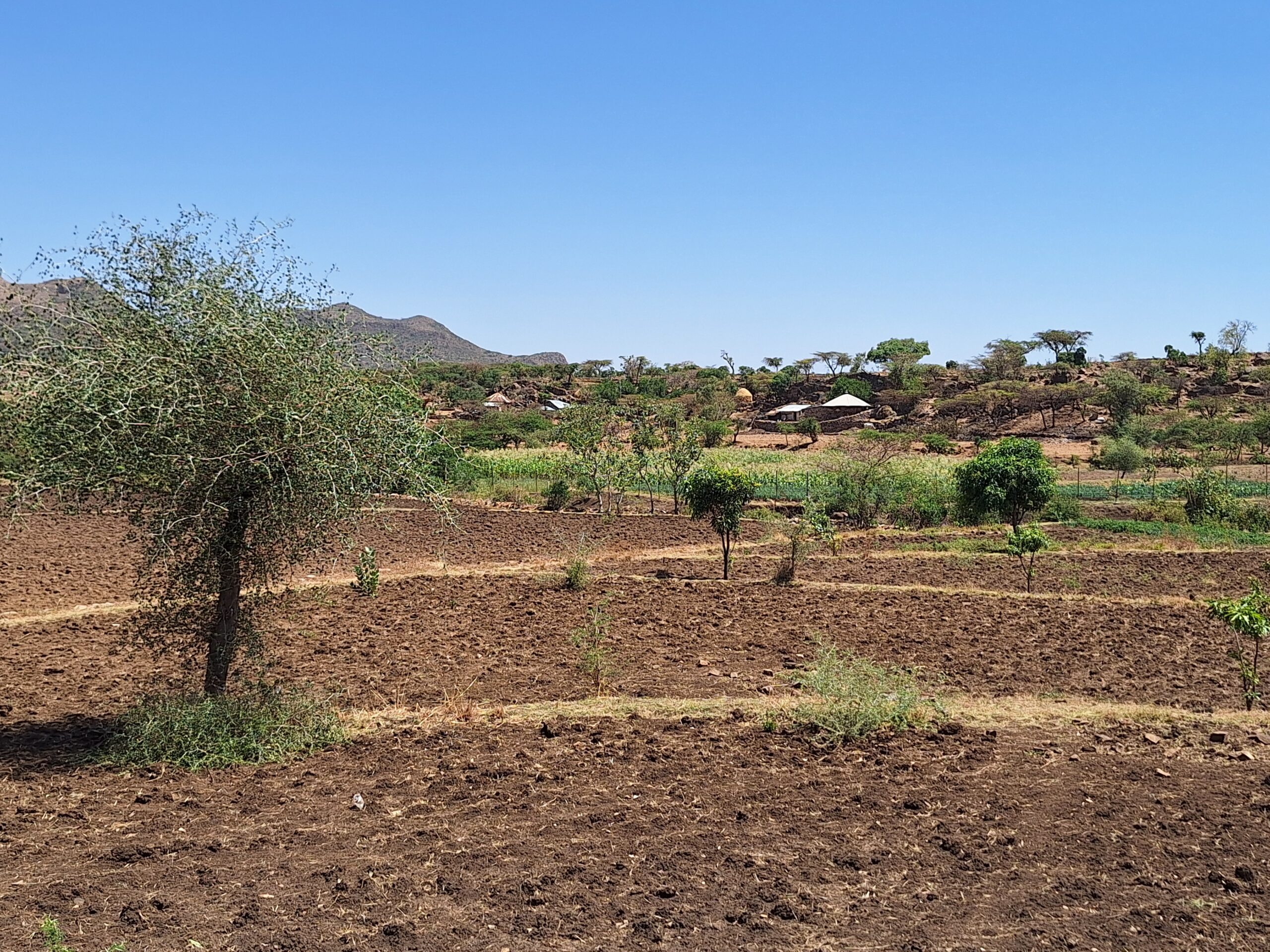
Multifunctional Agroforestry for Ethiopia (MAF4E) enhances biodiversity, livelihoods, and landscape resilience in the Ethiopian highlands. Through Living Labs, it blends traditional knowledge and science to co-create scalable tools, strategies, business models, and partnerships, using real-time, real-world data to guide evidence-based decisions that support poverty reduction, land restoration, ecosystem resilience, and sustainable highland development.
Challenge
The core challenges our project seeks to address is how to design and promote multifunctional agroforestry systems that enhance biodiversity, strengthen ecosystem resilience, and improve rural livelihoods in the highlands of Ethiopia—while minimizing trade-offs. Integrating trees into farming landscapes offers significant ecological and economic benefits, but it requires context-specific knowledge and careful planning. Although traditional agroforestry systems exist, they face challenges, and in northern Ethiopia, agroforestry remains limited in scale. Developing diversified species portfolios demands a deep understanding of local ecological dynamics, tree–crop interactions, and community priorities. Social factors—such as gender, age, and cultural norms—also shape adoption and management practices, adding complexity.
Additionally, climate variability, including droughts, floods, and unpredictable weather, increases uncertainty. Our project addresses these challenges by co-developing inclusive, knowledge-driven strategies that harmonize productivity, biodiversity, and climate adaptation, fostering resilient landscapes and sustainable livelihoods for highland communities.
Insight
To address interconnected environmental and livelihood challenges in Ethiopia’s highlands, the MAF4E project co-develops inclusive, knowledge-driven strategies that integrate scientific research with traditional knowledge. Guided by a vision of bringing science to communities and elevating community voices in science, MAF4E promotes green job creation, strengthens local knowledge systems, and empowers women and youth as key agents of change. By combining local wisdom with scientific innovation, the project supports resilient landscapes, diversified livelihoods, and nature-based climate solutions. Its people-centered approach ensures that sustainability and equity remain at the core of transformation.
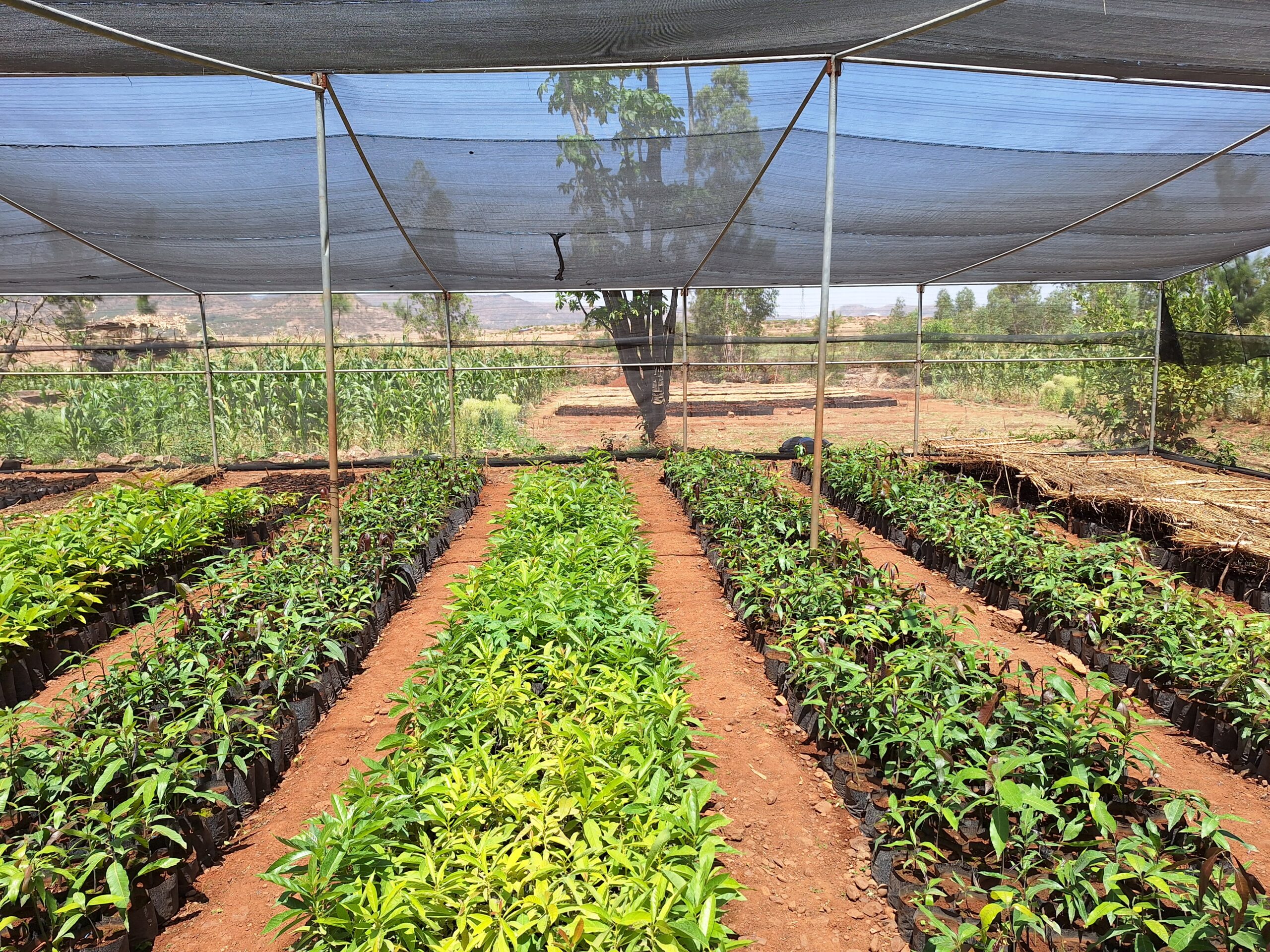
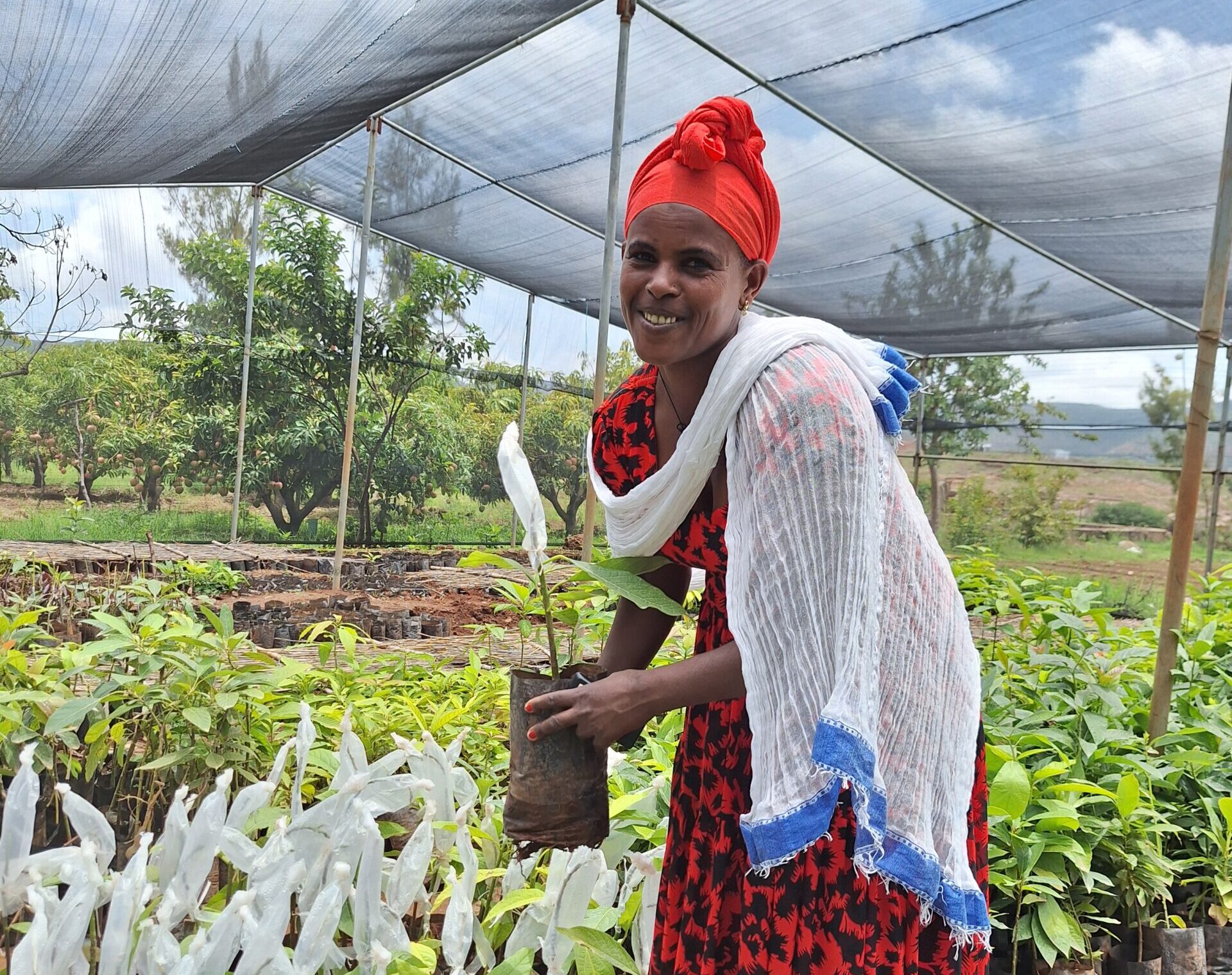
MAF4E focuses on multifunctional agroforestry systems that enhance biodiversity, restore degraded land, improve soil and water health, and boost farm productivity while strengthening climate adaptation. Over the past year and a half, the project has established Rural Resource Centers producing thousands of diverse seedlings, created livelihood opportunities for women and youth, launched multistakeholder innovation platforms and Living Labs, installed climate-monitoring sensors, promoted indigenous and improved fruit tree species, and developed demonstration agroforestry plots across highland landscapes.
Because trees require time to mature, sustained monitoring is essential. MAF4E is generating robust ecological and social datasets on tree performance, biodiversity, and traditional knowledge—providing tools, evidence, and pathways for policy action and scalable, resilient agroforestry systems with lasting environmental and social benefits.
Collaboration
Our partner organizations include Tree Aid and the University of York from the United Kingdom. Tree Aid implement activities in Northern Ethiopia, Amhara region. In Ethiopia, we collaborate closely with national and regional institutions such as the Ethiopian Forest Development, the Ethiopian Biodiversity Institute, and the Southern Ethiopia Regional State. Academic partnerships further strengthen our work through collaborations with Mekelle University, Mettu University, and Dilla University. Together, these partnerships enhance research, capacity building, and advancing shared goals in biodiversity, agroforestry, and climate-resilient development.
Through living labs in Ethiopia, we are advancing research-driven innovation that turns isolated agroforestry successes into scalable solutions for Africa. By combining scientific insight with traditional knowledge, we are co-creating and co-implementing solutions that boost productivity, biodiversity, strengthen resilience, and protect the natural resources farmers depend on — today and for the future.
Discover More
Dr Aster Gebrekirstos
Dr. Aster Gebrekirstos is a globally recognised forest and climate scientist and a pioneer of dendroecology in Africa. As Global Senior Scientist at CIFOR-ICRAF, she leads research on tropical forest ecology, climate change, agroforestry, and landscape restoration. She established Africa’s first tree-ring laboratories in Ethiopia and Kenya, advancing knowledge of climate history and indigenous tree species ecology.
Author of over 100 publications, including in Nature, Science and Nature Plants, she is a Fellow of TWAS, IAWS, and AAS. She serves as Vice President of the International Union of Agroforestry, founding president of the Africa Tree Ring Network, and newly elected Founding President of the African Agroforestry Union, uniting stakeholders to scale multifunctional agroforestry for livelihoods, landscape restoration, and climate resilience across Africa and globally.
Images
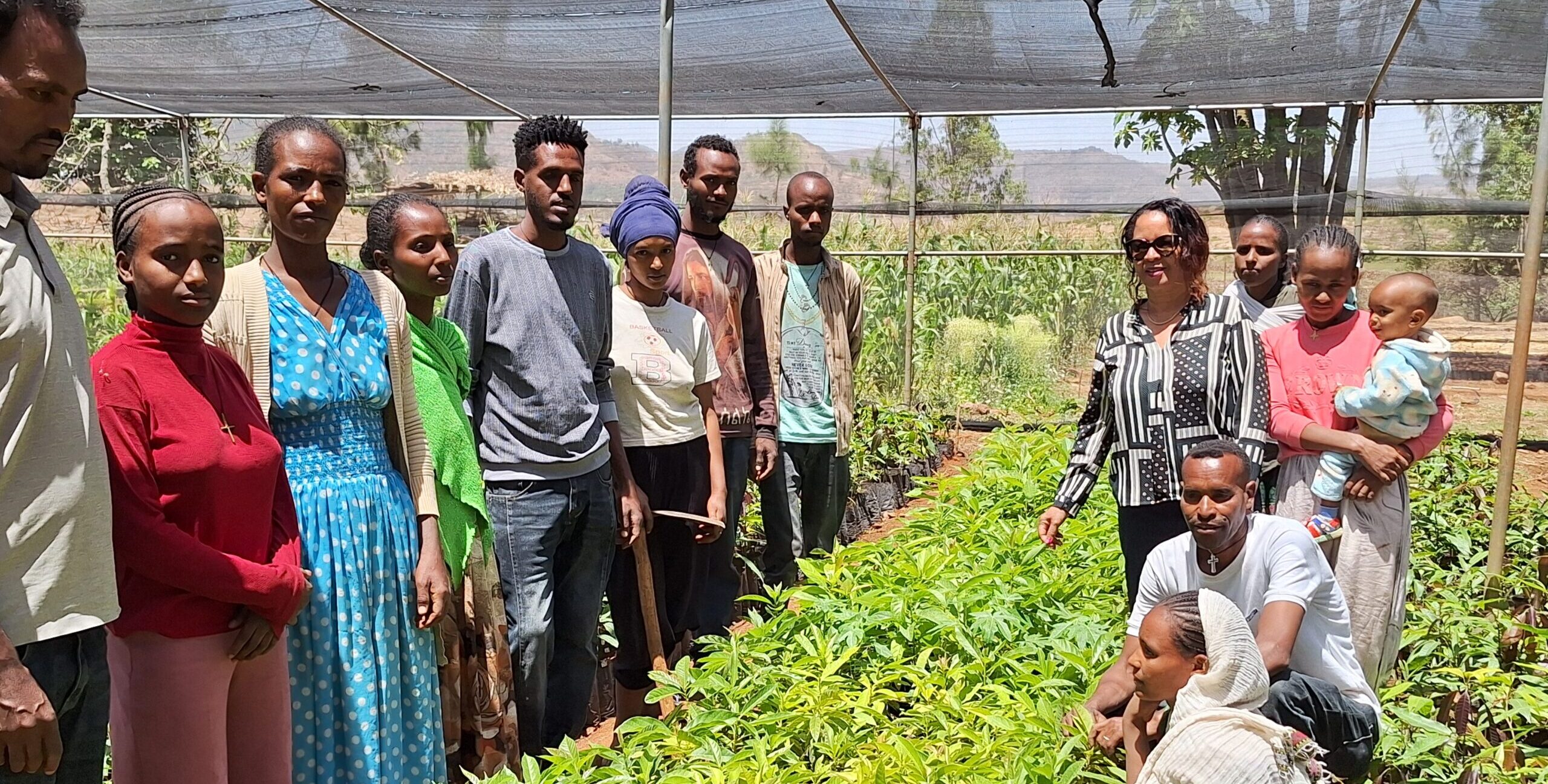
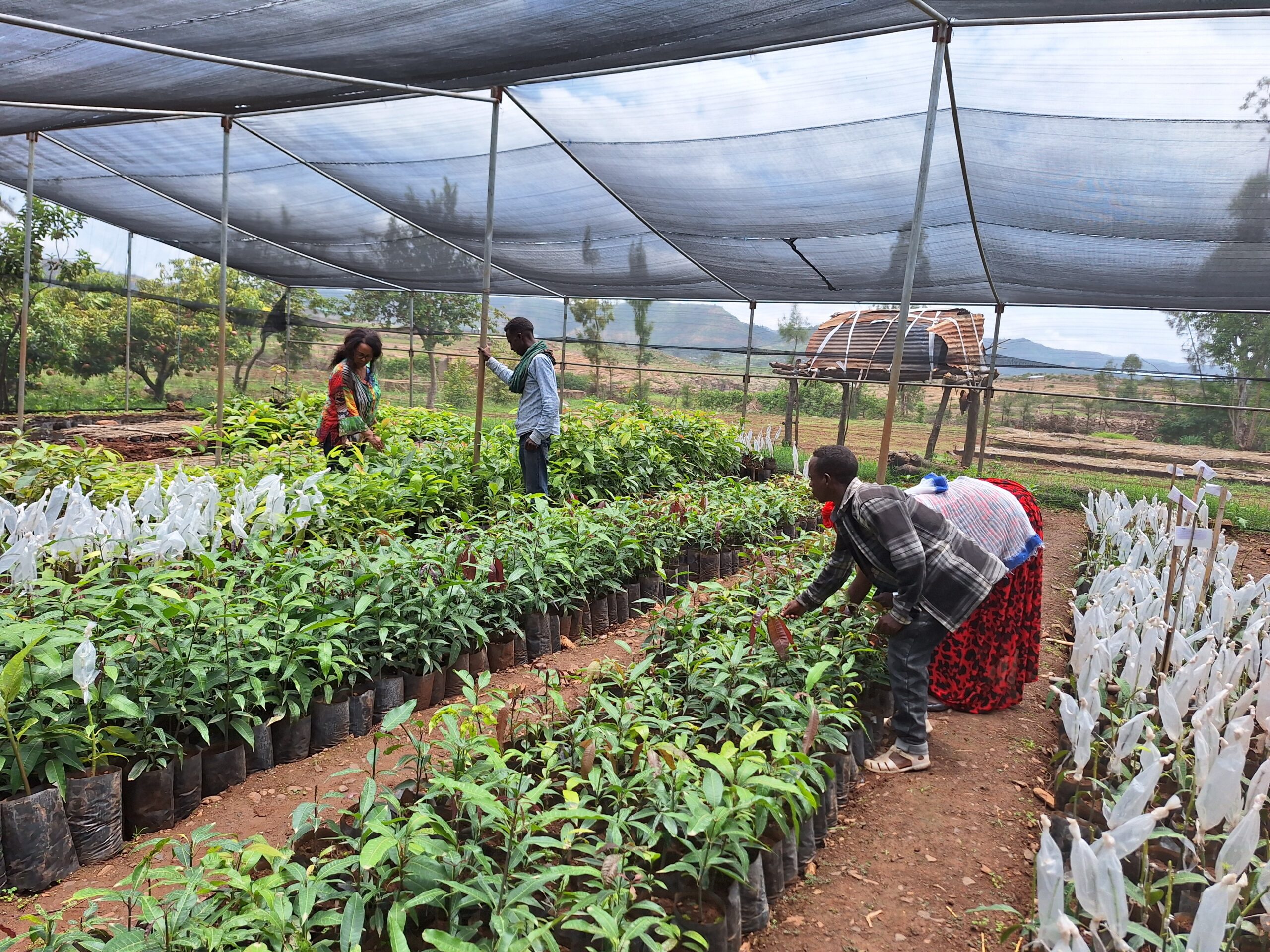
- The Nursery Shed established by the project in Selekelaka, Tigray with Dr Aster Gebrekirstos and beneficiaries. Photo by Kahsu.
- The Nursery Shed in Selekelaka, Tigray. Photo by Kahsu.
- A beneficiary woman from the RRC nursery site in Selekelaka, Tigray. Photo by Kahsu
- Dr Aster Gebrekirstos and beneficiaries. Photo by Kahsu.
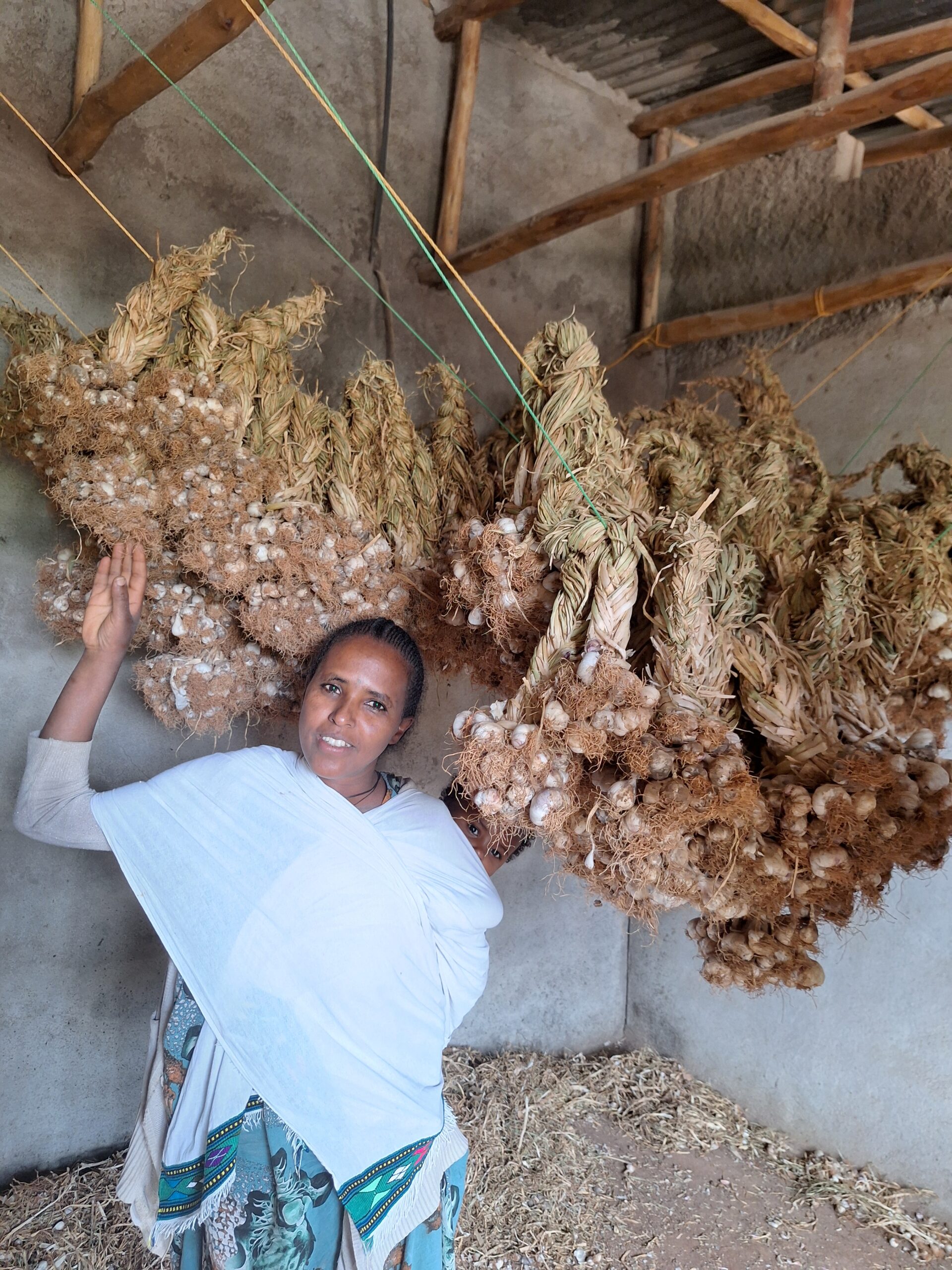
- One of the women beneficiaries from the project at the RRC Tigra plot. Photo by Aster Gebrekirstos.
- Project site in Tigray with only a few scattered trees on farm. Photo by Aster Gebrekirstos.