Project Summary
Countries: Ecuador
Delivery Partner: Universidad Tecnica Particular de Loja (UTPL)
Project Partners: Sociedad Ecuatoriana de Derecho Forestal Ambiental (SEDEFA), Terrambiente Consultores
Principal Investigator: Professor Omar Germán Malagón Avilés, Ph.D, Departamento de Química, Universidad Técnica Particular de Loja
Contact: omalagon@utpl.edu.ec
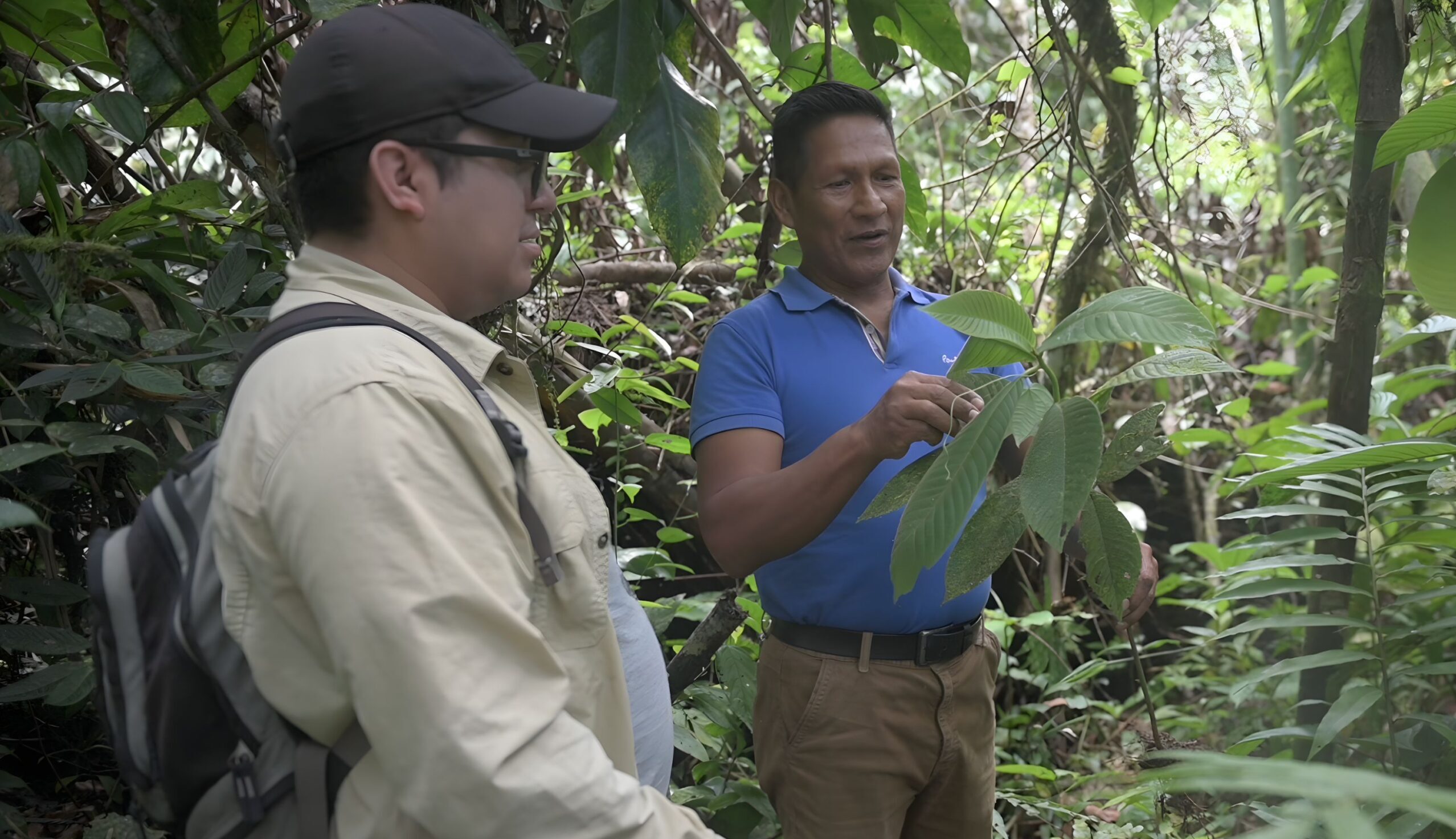
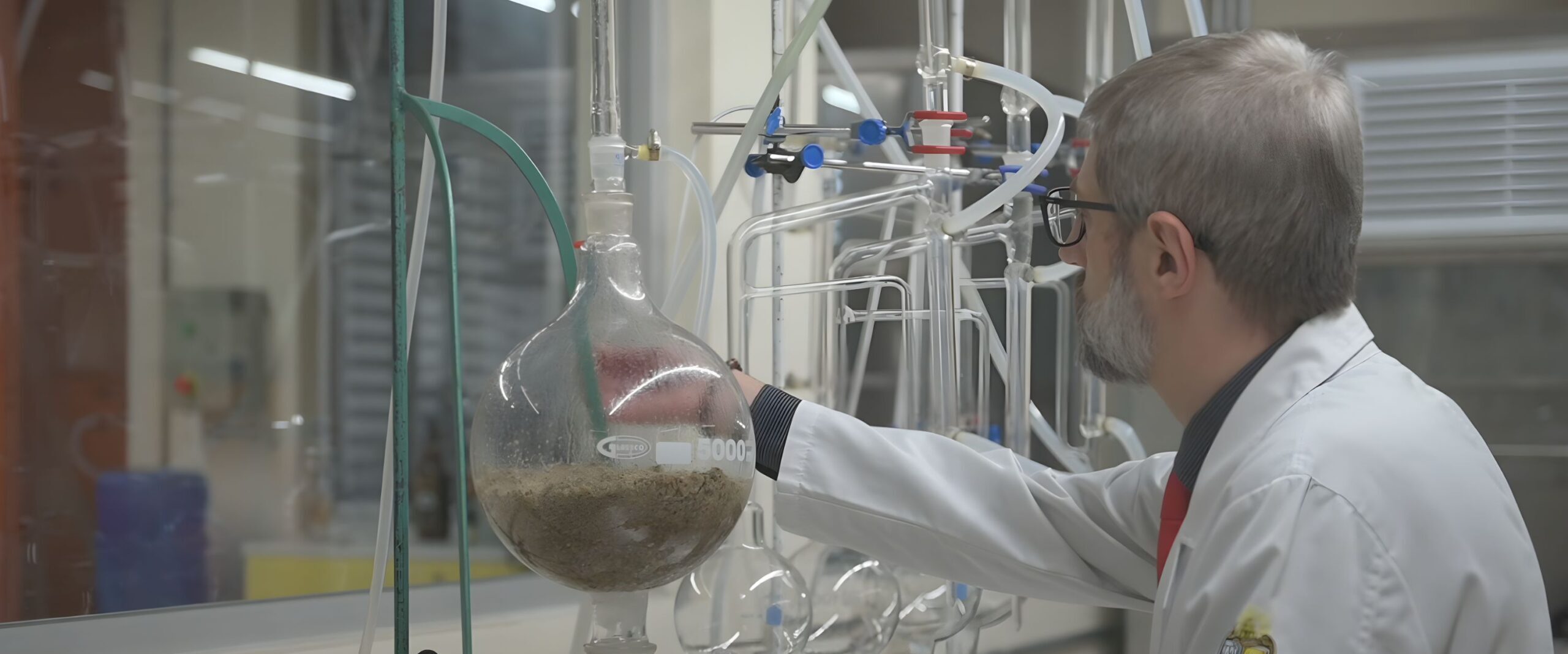
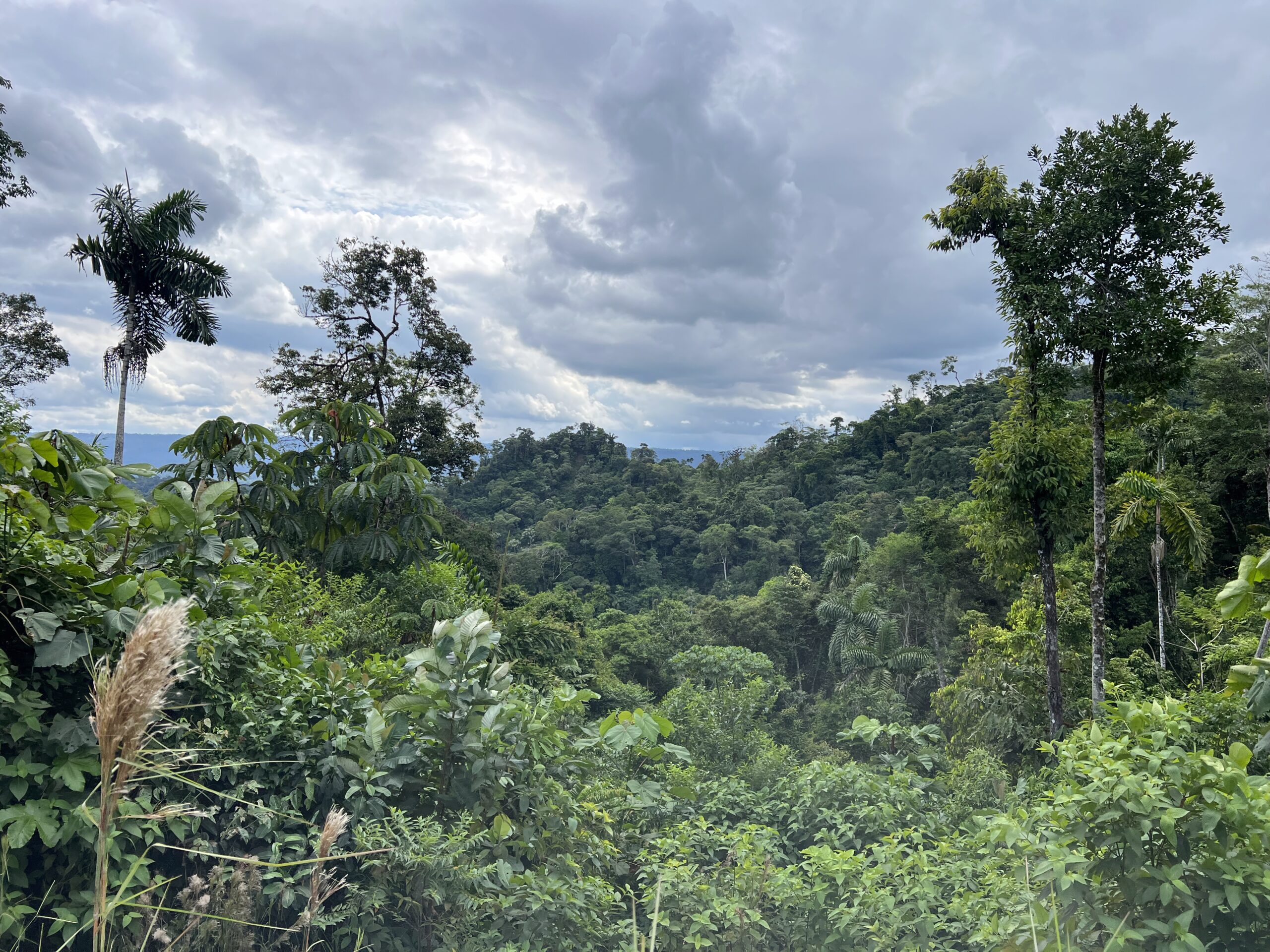
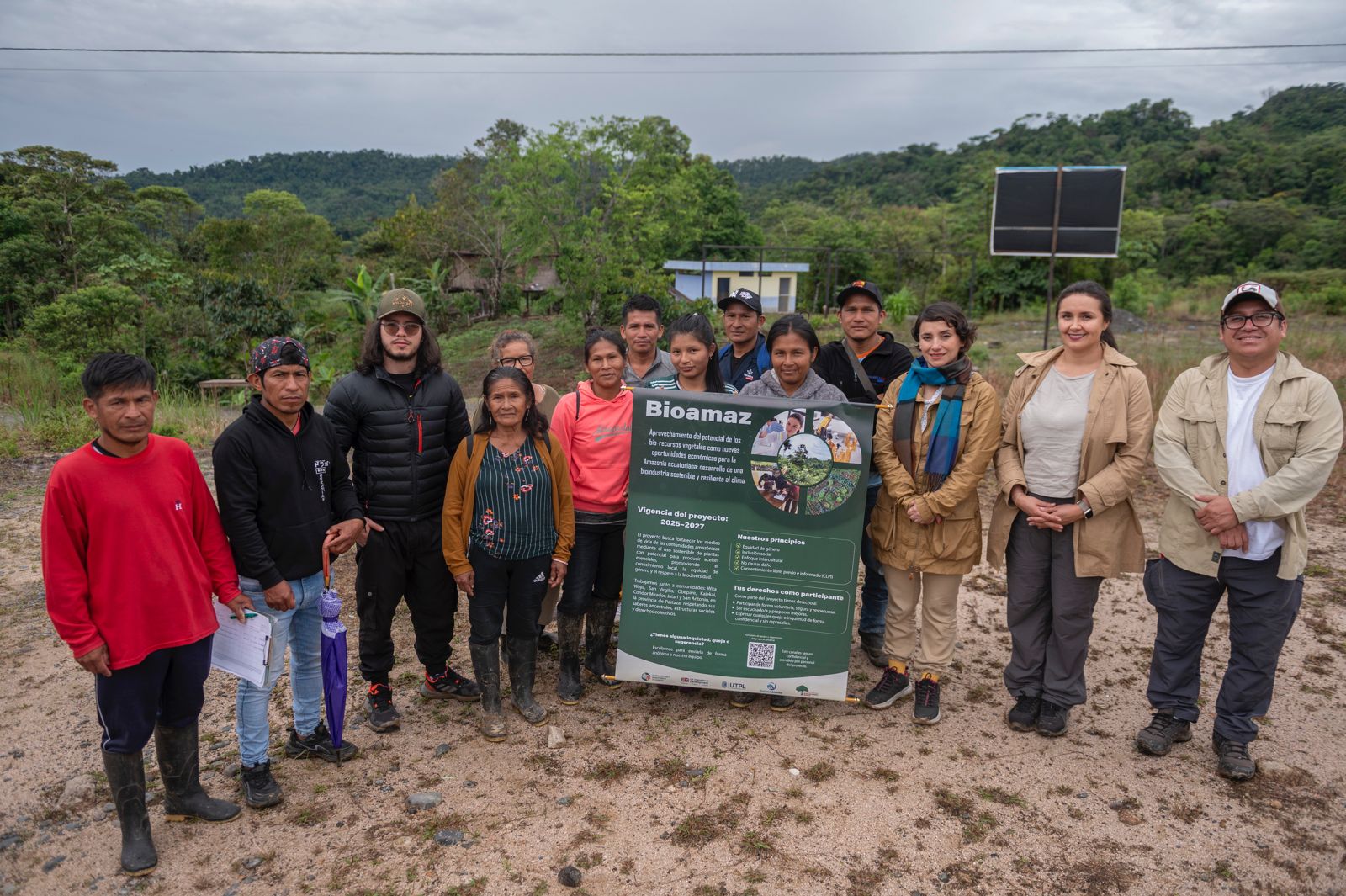
Strengthening the Amazonian bioeconomy through the sustainable use of aromatic and medicinal plant species, fostering community involvement, and developing high-value bioproducts to promote biodiversity conservation, poverty reduction and climate resilience.
Challenge
Despite the Amazon’s extraordinary biological and cultural richness, its contribution to sustainable economic development remains limited due to fragmented scientific evidence, weak value chains, and insufficient integration of traditional knowledge with biotechnology and market-oriented innovation. Native aromatic and medicinal plant species hold high potential for climate-resilient bioeconomy pathways, yet they are under-researched, under-valorized, and often exploited without clear safeguards, traceability, or benefit-sharing mechanisms.
In Pastaza, these gaps are compounded by limited local processing infrastructure, unequal participation of Indigenous communities—particularly women—and the lack of scalable models that align biodiversity conservation with income generation. The research challenge is therefore to generate robust phytochemical and biotechnological evidence while co-developing inclusive, ethical, and territorially rooted bioeconomic models that translate biodiversity into sustainable bioproducts, community livelihoods, and long-term conservation outcomes.
Photograph (detail): Fährtenleser
Insight
The project addresses this challenge through an integrated research-to-impact approach that bridges biodiversity science, biotechnology, and community-led bioeconomy development. By combining participatory bioprospecting with advanced phytochemical analysis, molecular identification, and pilot-scale processing, the project generates robust scientific evidence on the industrial potential of native aromatic and medicinal species while ensuring biological traceability and ethical safeguards. In parallel, continuous engagement with Kichwa, Shuar, and Waorani communities—grounded in free, prior, and informed consent—supports the co-design of inclusive value chains that recognize traditional knowledge, promote gender equity, and strengthen local capacities.
Early results demonstrate the feasibility of identifying high-yield essential oils with promising commercial and conservation value, alongside progress in propagation and local processing infrastructure. These insights confirm that territorially rooted bioeconomy models can simultaneously enhance livelihoods, reduce pressure on ecosystems, and contribute to climate resilience. The project is generating actionable evidence and scalable lessons for aligning biodiversity conservation with sustainable economic opportunities in the Amazon.
Collaboration
The project is built on strong, trust-based partnerships that ensure scientific rigor, ethical integrity, and territorial relevance. A formal cooperation agreement with the Shuar Federation consolidates a strategic alliance that anchors the project within an inclusive Indigenous governance framework and supports the achievement of its objectives. In parallel, Free, Prior and Informed Consent (FPIC) agreements were signed with six Indigenous communities—Jatari, Kajekai, Obepare, San Antonio, San Virgilio, and Wita Waya—guaranteeing respectful access to traditional knowledge associated with biological and genetic resources in full alignment with ethical and legal standards.
These partnerships span three Indigenous nationalities—Kichwa, Shuar, and Waorani—ensuring intercultural dialogue, equitable participation, and shared responsibility throughout the research and innovation process. Together, these collaborative relationships strengthen legitimacy, safeguard Indigenous rights, and create the conditions for co-creating sustainable, community-centered bioeconomy models in the Amazon
The future of Amazonian forests is inseparable from the well-being of their communities. Through the scent of essential oils, and the science and technology that bring them to life, we find inspiration for sustainable livelihoods.
Discover More
Professor Omar Germán Malagón Avilés
Omar Germán Malagón Avilés is a PhD in Pharmaceutical Chemistry from the University of Pavia and a Chemical Engineer from Universidad Nacional de Colombia, sede Bogotá, with more than two decades of experience in natural products chemistry, ethnopharmacology, and medicinal chemistry. He is a senior researcher and Principal Professor at Universidad Técnica Particular de Loja (UTPL), where he leads national and international research and consultancy projects related to biodiversity, bioeconomy, and sustainable development in the Ecuadorian Amazon. His work bridges scientific research, ancestral knowledge, innovation, and technology transfer, supported by high-impact publications and international patents.
Photo Credits:
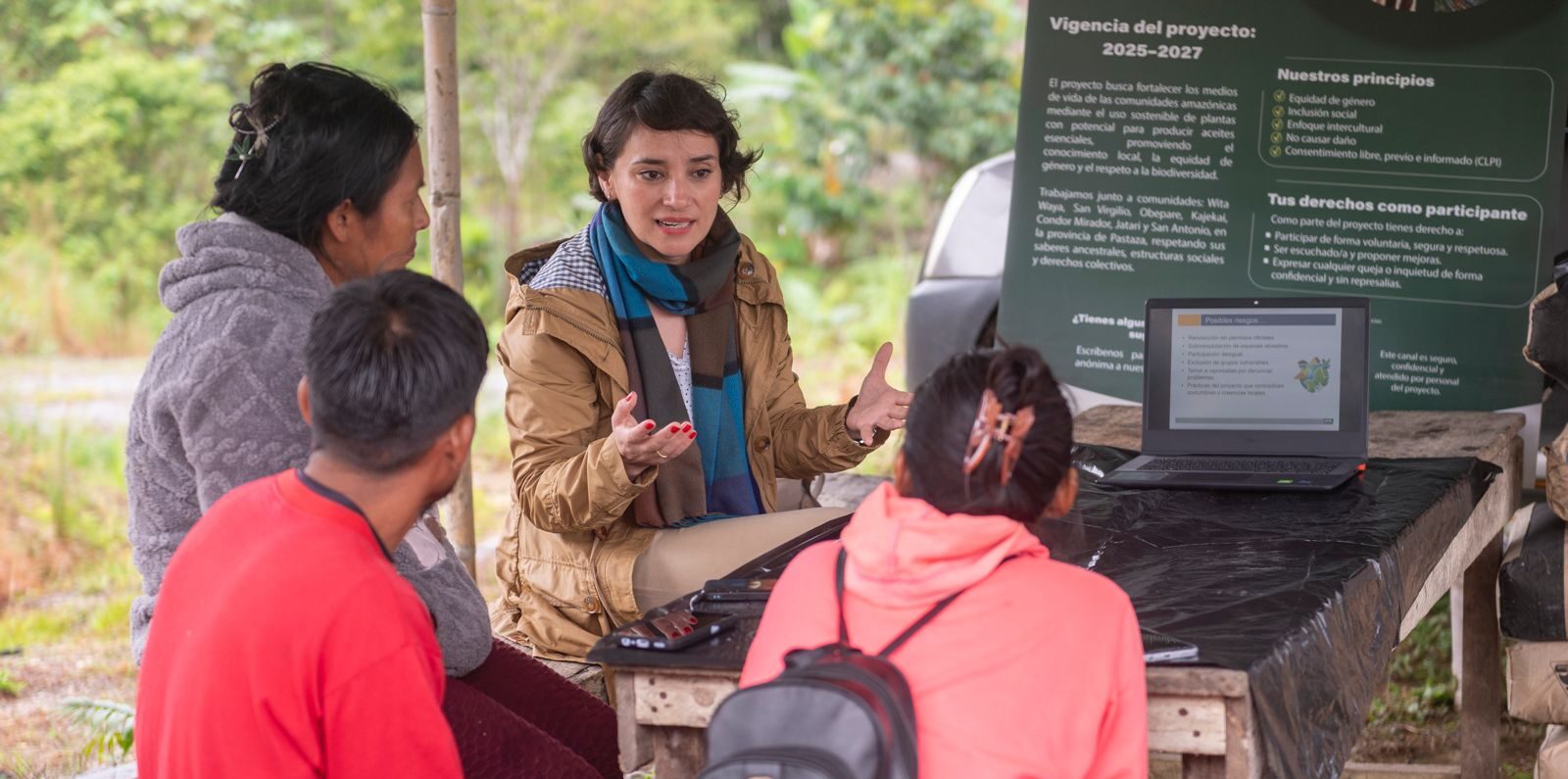
Photo 1: Luz Castro (scientific advisor) socialising social safeguards in Condor Mirador. Photographer: Javier Vázquez
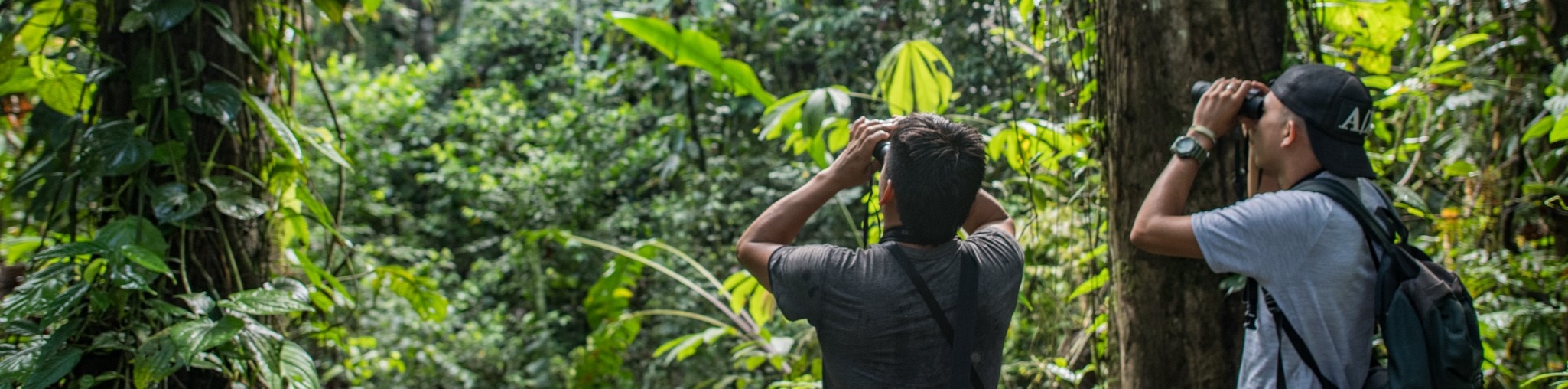
Photo 2: Collecting botanical samples in the Amazon rainforest. Photographer Javier Vasquez
Photo 3: Gianluca Gilardoni (scientific advisor) distilling essential oils in the UTPL laboratory. Photographer Javier Vasquez
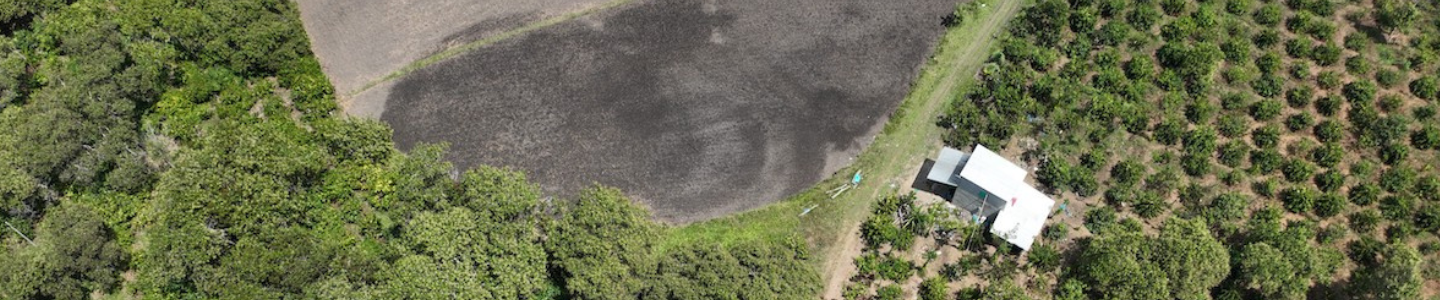
Photo 4: Amazonia
Photo 5: Presentation of the complaints and suggestions channel and socialisation of safeguards at Condor Mirador. Photographer: Javier Vázquez